Moving Forward: Global Religious Diversity
As the Roman Catholic Church stands on the threshold of a new era — with discussions about the future leadership of Vatican City and the next Pope — a defining challenge emerges: how to uphold its enduring Christian values while addressing a world of growing religious diversity.
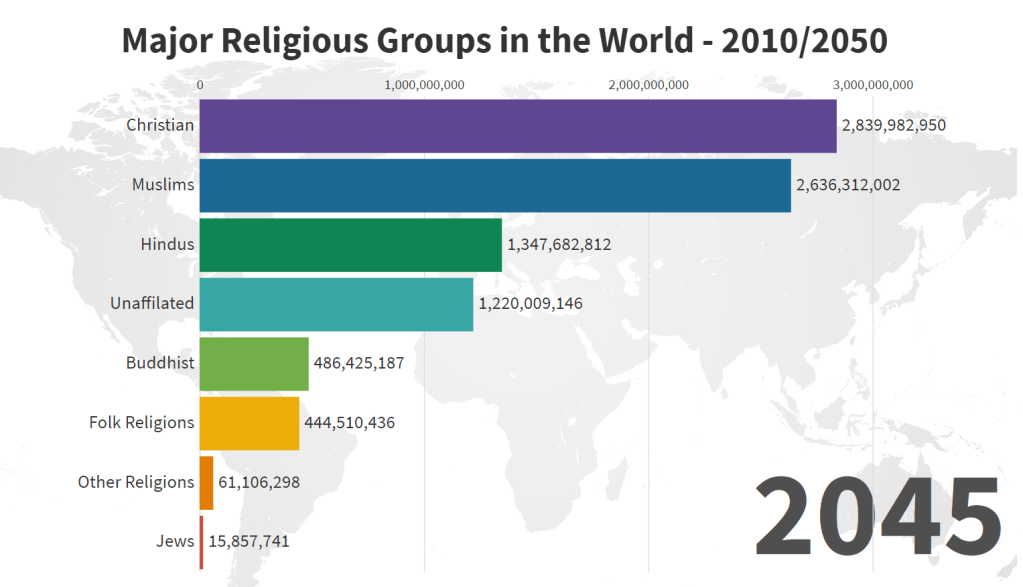
Today, nearly 10% of the global population identifies with religious denominations outside of Christianity (Pew Research Center, 2022). This landscape presents both opportunities and obstacles for the Catholic Church, which must remain anchored in tradition while engaging with a world shaped by pluralism, secularism, and interfaith dialogue.
Understanding the Changing Religious Landscape
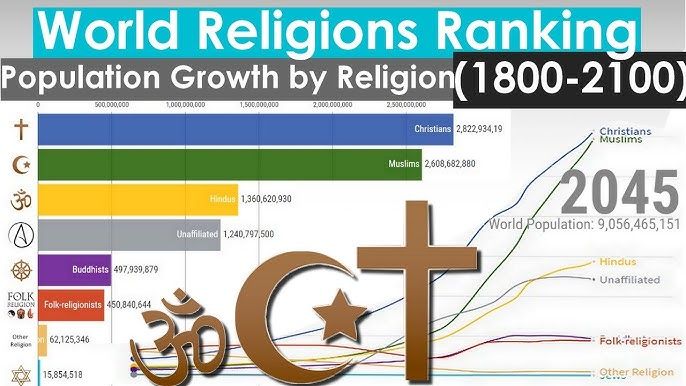
- According to Pew Research, by 2050, Christianity will still be the largest religious group, but non-Christian religions (Islam, Hinduism, Buddhism) and religious “nones” will account for nearly 40% of the global population.
- In Europe and the Americas, Catholicism is seeing both a decline in adherence and an increase in religious diversity — requiring more nuanced pastoral and community leadership.
- The Vatican’s Synod on Synodality (2021–2024) reflects the Church’s active attempt to listen to the laity, minorities, and marginalized groups while discerning how to remain faithful to its mission.
The Challenges of Diversity Without Dilution
Diversity and inclusion are vital principles in today’s global society. However, for the Roman Catholic Church, embracing diversity cannot mean compromising on foundational Catholic and Christian teachings.
The risk is clear: in striving to be inclusive, the Church could inadvertently weaken the clear theological identity that defines Catholicism. Balancing openness with orthodoxy will be critical.
Case Study:
In 2019, Pope Francis and Sheikh Ahmed el-Tayeb, Grand Imam of Al-Azhar, signed the Document on Human Fraternity — a groundbreaking step in Catholic-Muslim relations. Yet, this document explicitly emphasized mutual respect without theological syncretism, reaffirming Catholic beliefs even while promoting global peace.
Preparing for the Next Pope
The next Pope will inherit not only the rich legacy of the Church but also an increasingly complex world. Key attributes required for future papal leadership include:
- A firm grounding in Catholic orthodoxy.
- A compassionate, strategic approach to interfaith and intercultural dialogue.
- A willingness to engage younger generations seeking authenticity, clarity, and global solidarity.
A 2023 Vatican Youth Survey found that 78% of young Catholics desire a Church that listens but also stays true to Jesus Christ’s teachings. Future leadership must heed this call.
Rome, Vatican City, and the Move Forward
As the Church moves forward, its heart remains in Rome — the symbolic and spiritual center of Catholicism. Vatican City must continue to be a beacon of hope, offering clarity amidst confusion, and unity amidst division.
Diversity and inclusion must be realities within the Church — but always in a manner that respects, rather than redefines, the faith handed down through generations.
The Roman Catholic Church’s strength lies in its ability to uphold eternal truths while engaging a changing world with wisdom, humility, and courage. As conversations intensify about the next Pope, we pray that Rome will rise to meet the future with the timeless light of the Gospel.
 The Claudes SEN Law Campaign Blog
Leave a comment