The ocean has always been a symbol of life, freedom, and resilience. But today, it is sending us a desperate SOS.
Along the coast of California, an alarming phenomenon is unfolding — sea lions, usually symbols of coastal joy and playful wildlife, are exhibiting aggressive behavior towards humans. Recently, a teenage girl was bitten during a lifeguard tryout in Long Beach, and surfers are increasingly reporting unexpected attacks.
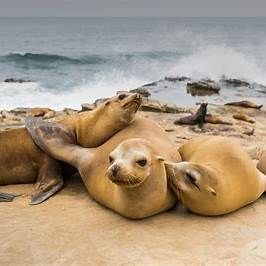
What’s causing this shift? The answer lies deeper beneath the waves: climate change and environmental collapse.
The Climate-Ocean Connection
Scientists and marine experts have traced these unusual sea lion behaviors to domoic acid poisoning, a condition caused by exposure to harmful algal blooms (HABs). These blooms — fueled by rising ocean temperatures, pollution, and nutrient runoff — produce neurotoxins that disorient marine mammals, causing confusion, seizures, and sometimes, aggression.

Key Facts:
- Ocean temperatures are rising faster than at any point in recorded history — with some areas off California warming twice as fast as the global average.
- Harmful algal blooms are becoming more frequent, more severe, and longer-lasting — a direct consequence of warmer seas.
- Marine rescue organizations have reported over 100 sea lion distress calls per day in 2025 alone, with many animals too ill to save.
- Experts fear this year could surpass the tragic record of over 1,000 sea lion deaths seen during 2023’s massive bloom event.
This is not just an isolated marine issue. It’s a stark warning about the broader collapse of our planet’s ocean ecosystems.
Why Saving Our Oceans Matters
The oceans are not just scenic vacation backdrops. They are essential to life on Earth:
- Oceans produce over 50% of the planet’s oxygen — more than all the rainforests combined.
- They regulate climate by absorbing about 30% of human-produced carbon dioxide.
- They provide food, jobs, and cultural identity for billions of people worldwide.
When we pollute our oceans, overheat them, and disrupt their delicate balance, we endanger every form of life on this planet, including our own.
A Call to Action: What We Must Do
If the distress signals from California’s coastline teach us anything, it’s that the time for complacency is over.
We must act urgently and collectively:
- Reduce Carbon Emissions: Support clean energy initiatives, reduce personal carbon footprints, and demand serious climate action from leaders.
- Protect Marine Ecosystems: Support the expansion of marine protected areas (MPAs) to allow ocean life to recover.
- Combat Pollution: Advocate for stricter regulations against agricultural runoff, plastics, and industrial waste entering our oceans.
- Educate and Engage: Share information, volunteer for beach cleanups, and support organizations dedicated to ocean conservation.

Saving our oceans isn’t just about saving sea lions — it’s about saving ourselves.
The story unfolding along California’s shores is not nature “attacking” us — it’s nature pleading with us to change.
The question is: Will we listen? SAVE OUR OCEANS & WILDLIFE
 The Claudes SEN Law Campaign Blog
Leave a comment